
If you’ve ever frozen up mid-sentence in an interview, or let a colleague finish your thought because you weren’t sure how to phrase it in English — you’re not alone. This happens to a lot of people, and it’s rarely about intelligence. It’s about practice.
Spoken English Classes for Beginners in Delhi has no shortage of English coaching centers. Walk through Mukherjee Nagar or Laxmi Nagar and you’ll see banners for at least five institutes on a single street. That’s actually part of the problem — too many options, not enough clarity on which one is worth your time and money. This guide is meant to cut through that.
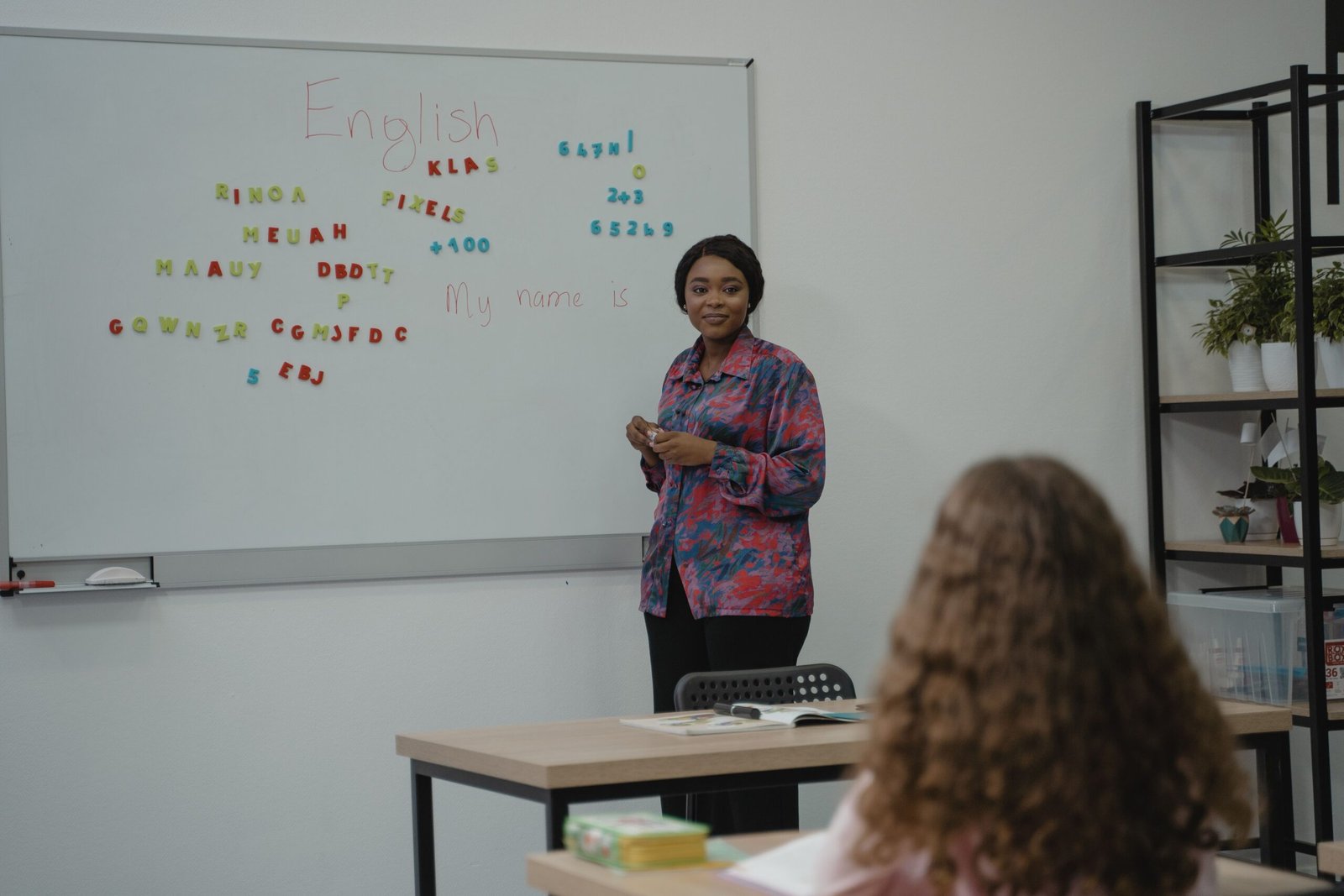
Why Bother With a Spoken English Class at All?
Here’s an honest take: you could technically learn English from YouTube videos and apps Spoken English Classes for Beginners in Delhi . Some people do. But most beginners need something a structured course gives them that self-study doesn’t — a room full of people who are also stumbling through sentences, and someone correcting you in real time.
That combination does a few things:
- You stop overthinking every sentence before you say it
- Your vocabulary grows because you’re using it, not just reading it
- Interviews and group discussions feel less like a trap
- You start noticing your own grammar mistakes without needing a rulebook
None of this happens overnight. But it happens faster in a classroom than it does alone.
Who Actually Needs This?
Students — especially those who did well in written English but go blank the moment they have to speak it in a viva or presentation.
Job seekers — because let’s be honest, a lot of HR rounds are really just “can this person hold a conversation in English.” The technical stuff comes after.
Working professionals — the ones who can write a perfectly good email but hesitate before speaking up in a meeting.
Homemakers — who often want this for reasons that have nothing to do with careers: helping kids with homework, feeling comfortable at parent-teacher meetings, or just not feeling left out of conversations.
If any of that sounds familiar, a beginner course is probably worth it.
What Actually Gets Taught
Most decent institutes structure their beginner course around these areas — though how much time they spend on each varies a lot, so ask before enrolling:
Grammar basics. Not grammar for the sake of grammar — just enough tenses, prepositions, and sentence structure so you’re not constantly second-guessing yourself.
Vocabulary. Words you’ll actually use, not obscure ones you’ll forget by next week.
Speaking practice. This is the part that matters most, honestly. If a course is heavy on lectures and light on actual talking, that’s a red flag.
Pronunciation. Small corrections from an instructor — the kind you’d never catch on your own — make a bigger difference than people expect.
Listening. Understanding fast, casual English (not the slow, textbook kind) is its own skill.
Confidence and body language. Some institutes fold this in, treating spoken English as part of a bigger personality development package.
How Long Will It Actually Take?
Depends where you’re starting from, but here’s roughly what to expect:
- A 30-day crashhttps://khushi1.healthvigor.in/wp course will get you comfortable with basics, not fluency
- 3 months is where most people start noticing a real shift
- 6 months, with consistent practice, is where things start feeling natural instead of forced
Anyone promising fluency in a week is selling something.
What Should You Expect to Pay?
Fees in Delhi vary more than you’d think, but as a rough guide:
- Basic beginner courses: ₹4,000–₹8,000
- More advanced communication programs: ₹8,000–₹15,000
- Premium institutes with certifications, smaller batches, or added facilities: often more
Don’t just pick the cheapest option. And don’t assume the most expensive one is automatically better either — ask what’s actually included before deciding.
Offline or Online — Which One’s Better?
Honestly, it depends on your personality more than anything else.
If you get distracted easily or need someone physically correcting you in the moment, offline classes tend to work better. You get real feedback, group activities, and a bit of social pressure that (weirdly) helps you push through hesitation.
If your schedule is unpredictable — say you’re working full-time or managing a household — online classes give you the flexibility to fit practice around your day, plus recorded sessions you can revisit.
Neither is objectively superior. It’s about which one you’ll actually stick with.
How to Actually Pick a Good Institute
A few things worth checking before you hand over your fees:
- Are the trainers actually experienced, or is this their first teaching gig? Ask directly.
- How much of the class is speaking practice versus the instructor just talking at you?
- What’s the batch size? A class of 30 means you’ll barely get a word in.
- Do the timings work for you, especially if you’re a student or working full-time?
- Is there placement support, if that’s something you need?
- Sit in on a demo class. This alone will tell you more than any brochure.
If an institute is reluctant to let you attend a demo, that tells you something too.
Areas in Delhi Where You’ll Find These Institutes
Some of the more common areas for spoken English coaching centers:
Mukherjee Nagar, Rohini, Laxmi Nagar, Dwarka, Janakpuri, Pitampura, Rajouri Garden, and Karol Bagh.
Pick based on what’s actually convenient for your daily routine — a great institute across the city that you’ll skip half the time isn’t better than a decent one five minutes from home.
Small Habits That Speed Things Up
Classes help, but what you do outside class matters just as much:
- Try to speak English for at least 20 minutes a day — even just talking to yourself works
- Read something in English daily, even if it’s just a consistent.article
- Watch a show or movie with subtitles on
- Pick up five new words a day and actually use them in a sentence
- Stop translating from Hindi in your head — try to think directly in English
- Record yourself talking and listen back (it’s uncomfortable at first, but it works)
None of these need to be perfect. They just need to be consistent.
Does This Actually Matter?
Yes, more than people like to admit. Interviews, workplace conversations, presentations, even casual networking — a lot of it runs through English, fairly or not. That’s just the reality in most professional settings right now.
It’s not about sounding like a native speaker. It’s about being able to say what you mean, when you need to say it, without the fear getting in the way first.
Quick Questions People Usually Ask
Is this only for people who already know some Enggoogle.comlish? No — beginner batches are built specifically for people starting from scratch or close to it.
Can I really get fluent in three months? Comfortable, yes, for most people. Fully fluent is a stretch — but three months of regular practice takes most beginners a long way.
Do I get a certificate? Most institutes give one after you finish the course, though it’s worth confirming this before you enroll if it matters to you.
Are there weekend batches? Yes, most places run evening and weekend classes for exactly this reason.
Will they help with job placement? Some do — usually the bigger, more established institutes. Worth asking upfront rather than assuming.
Last Thing
There’s no perfect moment to start this — there’s just the moment you decide to. The institutes, the fees, the schedules — all of that matters less than actually showing up and speaking, badly at first, until it isn’t bad anymore.
That’s really the whole trick.